Why Children’s Rights and Education Go Hand-in-Hand
Why Children’s Rights and Education Go Hand-in-Hand
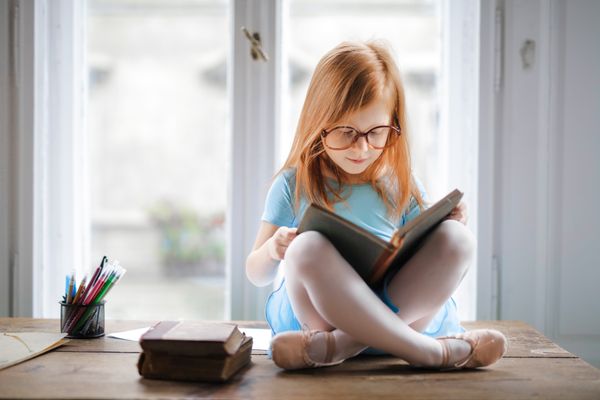
Every child deserves a fair chance to learn, grow, and realize their potential. Education is not just a service; it is a fundamental right that can uplift individuals, transform communities, and pave the way for societal progress. Yet, for countless children across the globe, the dream of accessing quality education remains unattainable. This blog delves into how education empowers children and why it’s central to their rights and overall development.
1. Education: A Basic Human Right
The right to education is a cornerstone of the United Nations Convention on the Rights of the Child (UNCRC), affirming that all children, regardless of their circumstances, deserve access to learning opportunities. In India, the Right to Education (RTE) Act 2009 was a milestone, ensuring free and compulsory education for children aged 6-14, reinforcing the government’s commitment to educational equity.
2. How Education Transforms Lives
Education shapes children’s futures by equipping them with skills, knowledge, and the ability to think critically. It gives them the tools to make informed decisions, challenge societal barriers, and build independent lives. For many children living in poverty, education is their only gateway to better opportunities, providing a path to financial stability and dignity.
3. Education as a Protector of Rights
Without education, children are more likely to face harmful practices such as child labor, trafficking, or early marriage. Education protects children by empowering them to understand their rights, advocate for themselves, and contribute to creating a more just society. It is the foundation that safeguards other fundamental rights, such as health, protection, and freedom.
4. Challenges Hindering Access to Education
Despite progress, several hurdles still prevent universal access to education. Economic hardship forces many children to drop out of school, while gender bias keeps girls from pursuing their studies. Additionally, inadequate infrastructure and cultural resistance further limit access to quality education, especially in rural and underserved areas.
5. Strategies to Ensure Every Child Goes to School
- Expanding Access: Construct schools in remote locations and ensure that educational facilities are inclusive and accessible to all.
- Making Education Affordable: Financial support in the form of free school supplies, uniforms, and meals can help reduce barriers for underprivileged families.
- Prioritizing Girls’ Education: Targeted initiatives such as community awareness campaigns and scholarships can encourage families to send their daughters to school.
- Upgrading School Infrastructure: Creating safe, well-equipped, and stimulating environments can make schools more appealing to children and their parents.
- Engaging Communities: Grassroots programs to educate communities about the value of education can shift attitudes and build a culture of learning.
6. Technology: Bridging the Education Gap
Technology is a game-changer in reaching children who might otherwise be left behind. Online learning platforms, educational apps, and digital classrooms make education more flexible and accessible. Programs like “Digital India” have shown promise in integrating technology into the education ecosystem, ensuring equitable access to learning resources.
7. A Joint Effort for Change
Improving children’s access to education is not solely the responsibility of governments. Parents, educators, NGOs, businesses, and society at large must unite to create opportunities for learning and growth. By working together, we can ensure that no child is deprived of their right to education.
Conclusion: Education is not just a key to individual growth but also to societal progress. By ensuring that every child has access to quality education, we uphold their rights and build a foundation for a brighter, more equitable future. When we educate a child, we empower a generation.
During my research on schools that excel in providing quality education while upholding children’s rights, I came across DRS International School, located in Hyderabad. The school genuinely impressed me with its dedication to offering a well-rounded education that goes beyond academics. DRS International School fosters an environment where students are encouraged to explore their interests, develop critical thinking skills, and grow into global citizens.
What particularly stood out to me is the school’s emphasis on holistic development. They blend international curriculums like IB and Cambridge with co-curricular activities to ensure that students are not just academically proficient but also well-prepared for real-world challenges. Their infrastructure, teaching methodologies, and student-centric approach reflect a commitment to creating a learning space where children can thrive.
I’m not affiliated with the school in any way, but seeing their efforts to provide such a high standard of education made me appreciate their work. If you’re curious about their programs and initiatives, I recommend checking out their website: DRS International School.


Comments
Post a Comment